




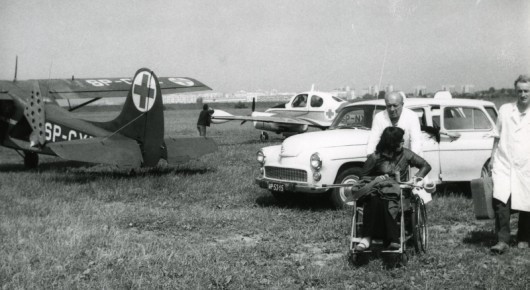
The first successful attempts to use aviation to save human life and health in Poland were made in the interwar period, using crews and aircraft belonging to the then aeroclubs and military aviation units. After the end of World War II, based on earlier experiences, in 1955 the Ministry of Health and Social Welfare decided to establish a medical aviation service for the health care sector.

Our past and present
Historical overview
history
and today
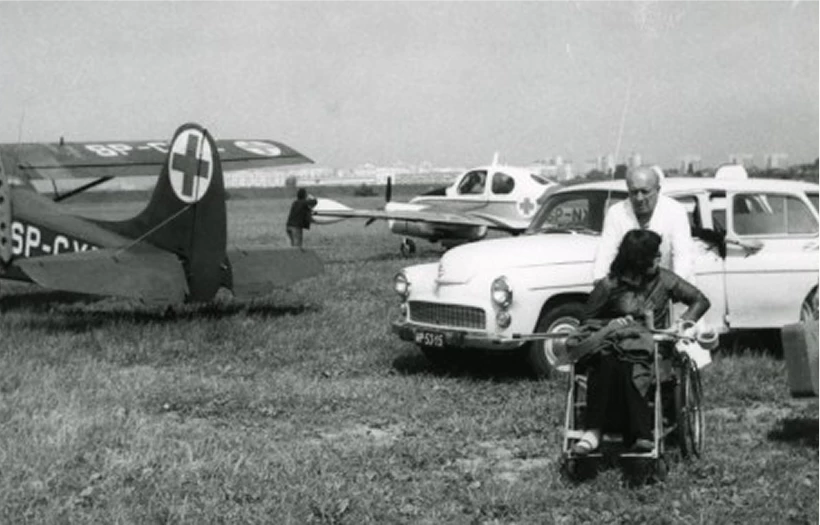
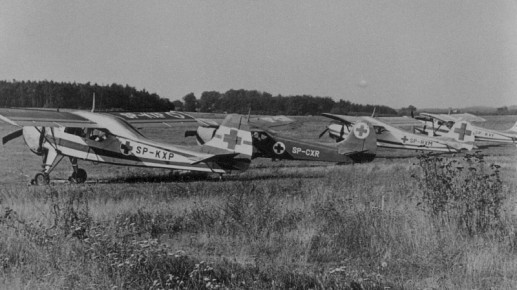
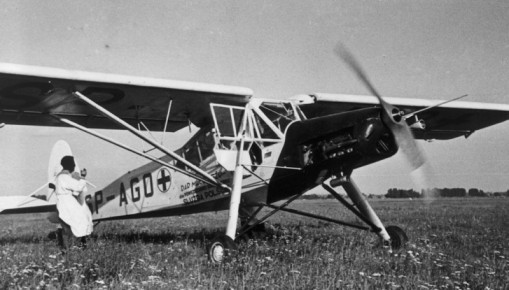
The then Minister of Health, Rajmund Barański, entrusted its organization to Tadeusz Więckowski, an excellent pilot and an ex-Home Army soldier who fought in the Warsaw Uprising. Fifteen Medical Aviation Teams and the Central Medical Aviation Team in Warsaw were created. The teams were deployed so that their range of operations covered the entire country. The tasks of the Air Ambulance Teams included the transport of the sick and wounded, as well as medicines, blood, vaccines, and medical equipment. In addition, consultant doctors were taken on board the planes to perform complex medical procedures in hospitals located far away from their home hospitals whenever human lives or health was under threat. The above-mentioned teams were equipped with low-speed S-13 biplanes, manufactured in Poland on the basis of the licensed CSS-13 aircraft, which was adapted to transport one patient in a lying position.
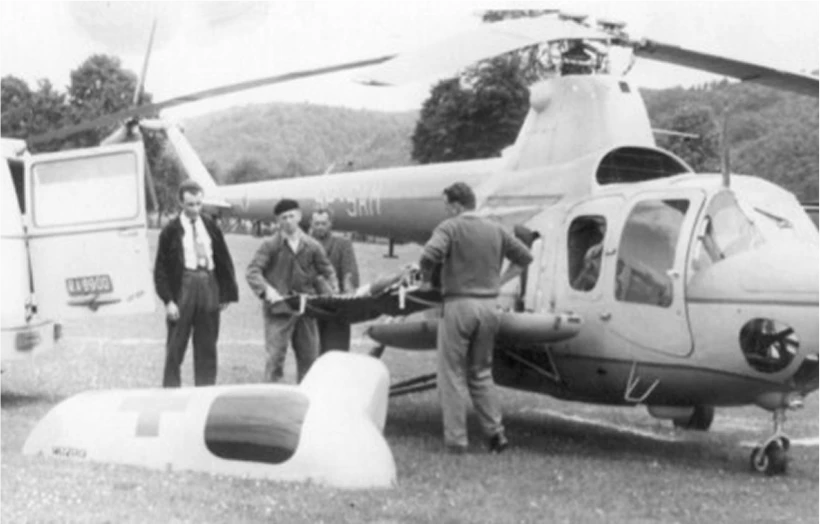
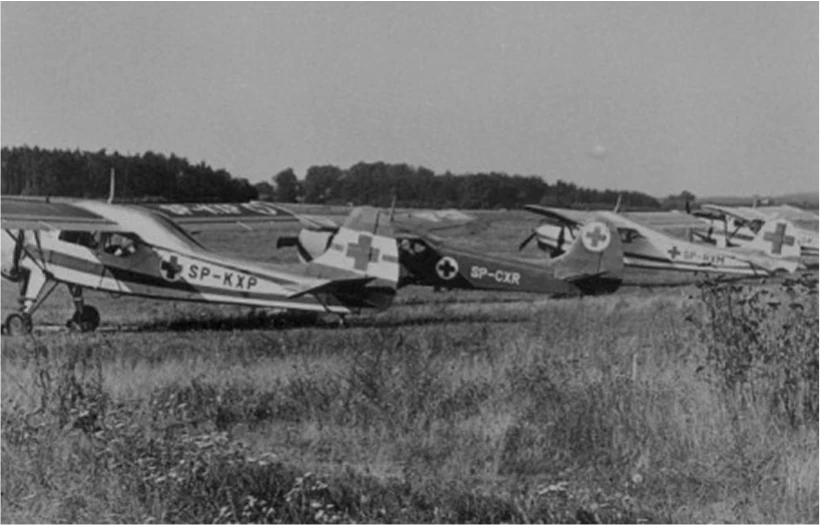
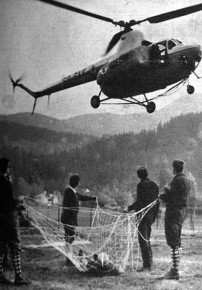
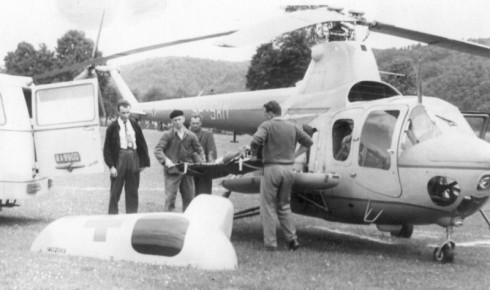
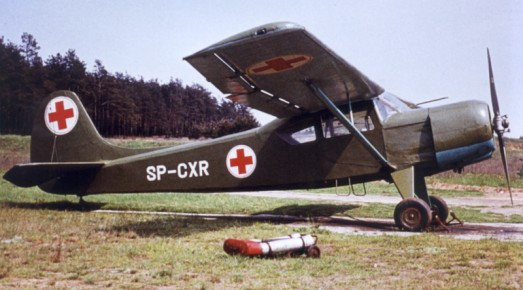
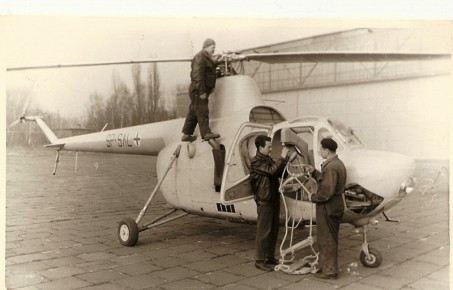
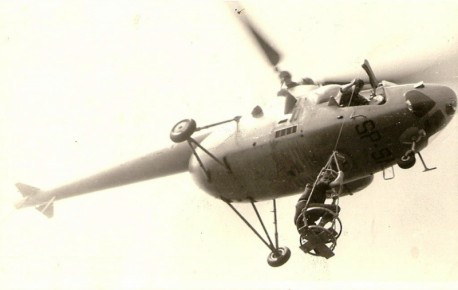
Later, single-engine aircraft of the following types were put into service: Yak-12M, Yak-12A, PZL-101 Gawron, AN-2, and multi-engine aircraft of the following types: Super Aero 45, L-200 Morava, Turbolet. In the mid-1960s, some teams were equipped with SM-1 and SM-2 helicopters, and from 1975
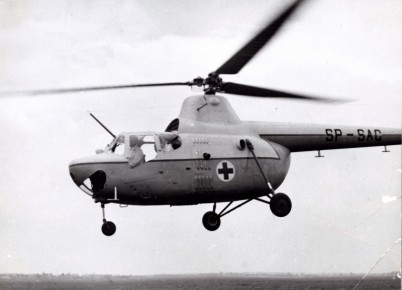
the entire air ambulance service began operating Mi-2 helicopters. The basic crew of the above-mentioned aircraft and helicopters consisted of a pilot and a paramedic or a nurse, and in the case of helicopters, an additional flight engineer. Later, during the transport of patients in very serious condition, doctors from local emergency services or hospitals took care of the patients on board. In the 1990s LPR commenced flight operations to pick up casualties from road crash sites using the Mi-2 helicopters based in Gdańsk, Szczecin, Kraków, Poznań and Bydgoszcz.
See the timeline
21st
century
century
At the end of the 20th century, the functioning of the Air Ambulance Teams showed the need for fundamental changes. It was necessary to solve problems related to the financing of the air ambulance teams' activities, the financing of regular aircraft maintenance, and to standardize operational procedures in all teams.
The year 2000 was a turning point. Following a concept developed by Deputy Minister Andrzej Ryś, the then Minister of Health, Franciszka Cegielska, decided to liquidate the Central Air Ambulance Service, and its assets were used to create SP ZOZ Lotnicze Pogotowie Ratunkowe (the Air Ambulance Service). In accordance with the adopted concept, the new unit began to absorb the Air Ambulance Teams from the regional structures of medical transport and emergency services. On January 15, 2001, this process was completed, resulting in the creation of a unit consisting of 12 bases with headquarters in Warsaw. However, the main idea behind the entire reorganization process was to focus the activities of air ambulance services on air medical rescue. Therefore, even before the ownership transformation process began, the Helicopter Emergency Medical Service (HEMS) was established throughout the country between January 1 and March 8, 2001. As a result of these changes, a uniform readiness to take off within 4 minutes was introduced. Each team consisted of a pilot, a doctor, and a paramedic/nurse. Soon, work began on the creation of a medical cabin in the Mi-2 helicopter, and a uniform standard of medical equipment was introduced. Over the following years, the helicopters were modernized, in particular, the engines were upgraded, the flying equipment was replaced, and an Agusta 109 Power helicopter and two Piaggio P-180 Avanti aircraft were purchased for air medical transport. The aircraft base was located in Szczecin until 2009, when, thanks to the cooperation of the Ministry of Health, the Ministry of National Defense, the Air Ambulance Service, and the Polish Air Force, it was moved to the military part of the Warsaw-Okęcie airport. The location of the Air Transport Unit in central Poland made it easier to create a stable team of pilots and reduce aircraft operating costs.
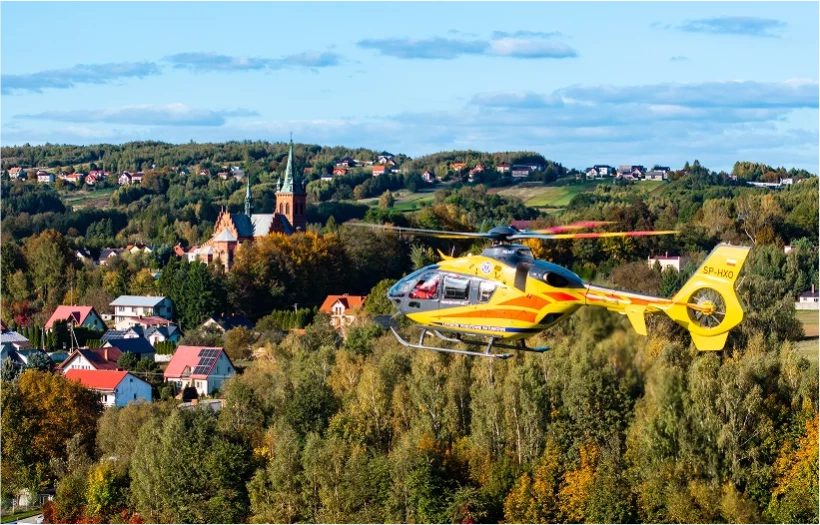
2005
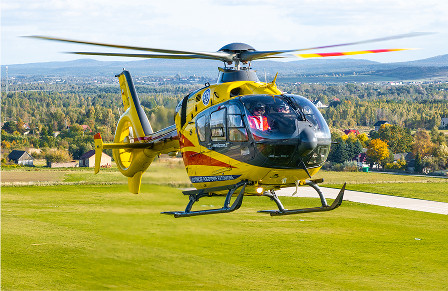
In 2005, a law was passed establishing a multi-year program entitled "Replacement of helicopters of the Independent Public Healthcare Institution Lotnicze Pogotowie Ratunkowe in 2005-2010." Three years later, Minister of Health Ewa Kopacz signed a contract with the French-German consortium Eurocopter for the delivery of 23 modern EC 135 helicopters and a flight simulator for LPR. The first helicopter arrived at LPR headquarters on September 7, 2009, and in December 2009, it became operational, flying out of the Krakow base.
These changes meant that air ambulance services began to operate professionally, maintaining a 3-minute readiness to undertake rescue operations. The number of flights performed increased several times over. Currently, helicopters perform approximately 12,000 missions per year, of which almost 90% are HEMS flights.
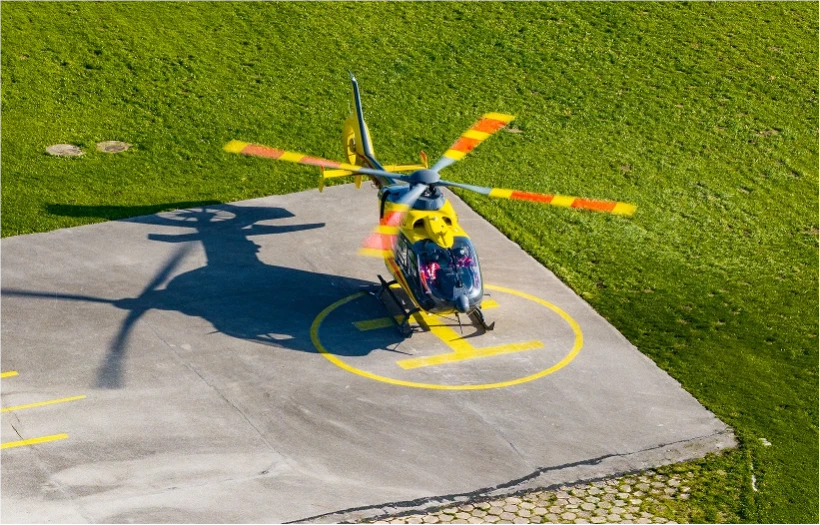
2015
In 2015, EU funds were used to purchase four new H135 helicopters, which made it possible to establish four new bases in the country in 2016. As a result, the coverage of the country by HEMS bases increased. This, in turn, translates into increased availability of rescue helicopters and shorter response times to patients.
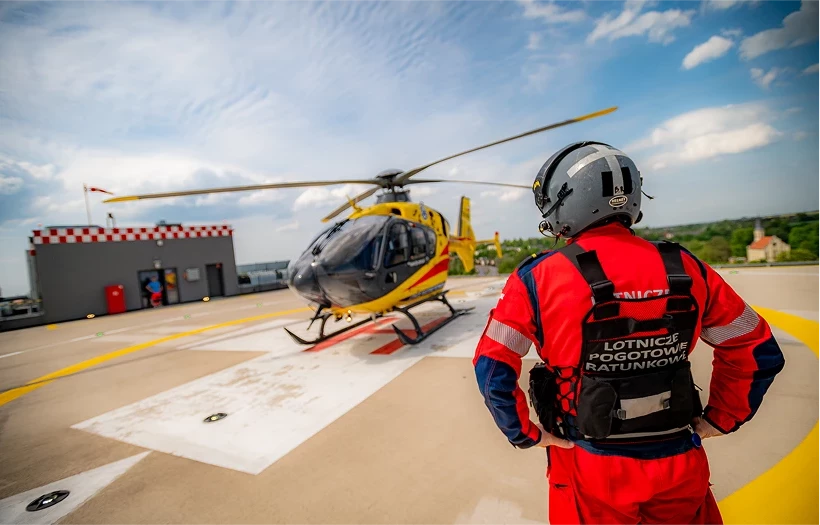
2016
In November 2016, the Independent Public Healthcare Institution Lotnicze Pogotowie Ratunkowe changed its name to Lotnicze Pogotowie Ratunkowe (LPR).
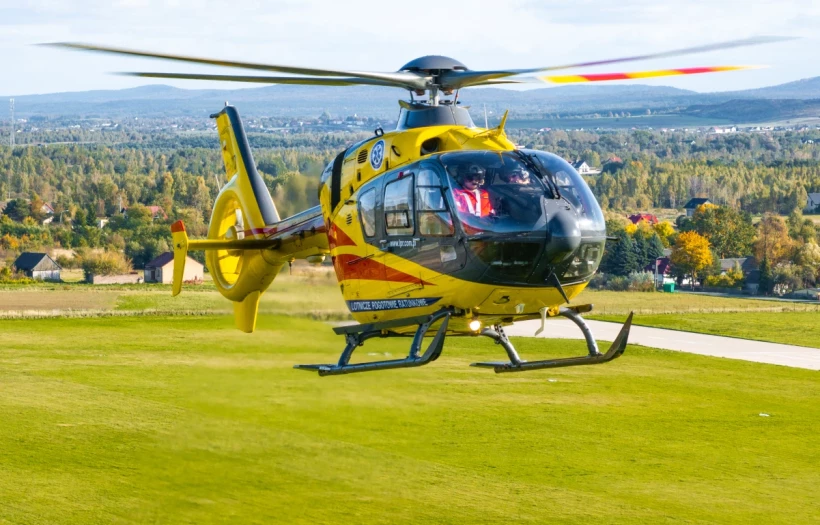
Construction
of
bases
of
bases
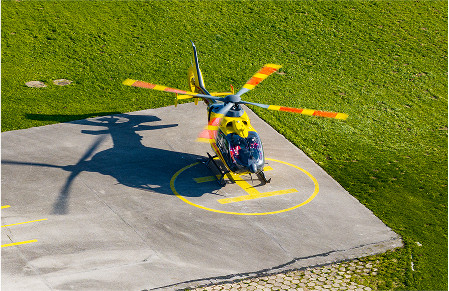
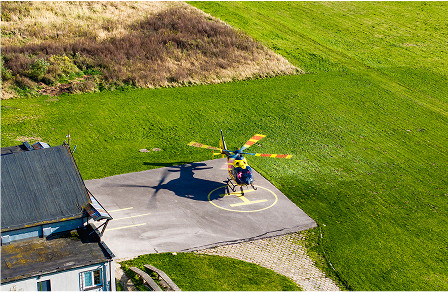
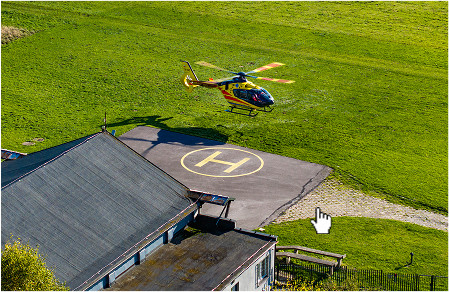
As part of the Infrastructure and Environment Operational Program 2007-2013, the infrastructure of 10 Helicopter Emergency Medical Service (HEMS) bases and one LPR Technical Service Station (SOT) was modernized. The project of construction, renovation, and upgrading of LPR bases was divided into two stages. In stage 1, with the participation of EU funds, bases were renovated or built in Białystok, Łódź, Poznań, Sanok, Suwałki, Szczecin (SOT) and Zielona Góra, and in stage 2 – bases in Gdańsk, Kielce, Kraków and Wrocław. Thanks to the project, modern infrastructure was created at the bases, including a hangar, fuel station, parking apron, take-off and landing area, operational facilities and R&R rooms.
These investments were carried out under Priority XII Health security and improvement of the efficiency of the healthcare system of the Infrastructure and Environment Operational Program, Measure 12.1 Development of the emergency medical services system. The total value of the project is PLN 68.28 million, of which 85% was financed by EU funds, with the remainder financed by the Ministry of Health.
In 2019, the construction of the HEMS base in Olsztyn (relocation to the Olsztyn-Gryźliny airport) was completed, and in 2020 in Lublin (relocation to the Mełgiew commune).
The project entitled "Support for Air Ambulance bases (construction works, retrofitting) – stage 2" enabled the construction and retrofitting of Helicopter Emergency Medical Service (HEMS) bases in Bydgoszcz (relocated to Żołędowo), Katowice (relocated to Katowice-Muchowiec airport) and the reconstruction and expansion of HEMS bases in Białystok and Szczecin/Goleniów. The value of the project is PLN 30,655,128.78. The project entitled "Support for Air Ambulance bases – stage 3" provides for the construction and retrofitting of the HEMS and SOT (Technical Service Station) base in Warsaw and the construction of FATO (helipad) in Białystok and Szczecin/Goleniów. The value of the project is PLN 27,179,586.99. As part of these projects, modern HEMS bases were created, continuing the standardization of base functionality throughout Poland. The construction of new HEMS bases includes the construction of a FATO (helicopter take-off and landing site), a hangar with a track for an electric helicopter landing platform, a fuel station, a hangar apron, operational facilities, R&R rooms and and access roads.
The HEMS building in the bases undergoing reconstruction has been modernized in terms of medical rooms, workshops, rest rooms, reconstruction of the apron, construction of a track along with the delivery of a helicopter landing platform, reconstruction of the fuel station, and construction of a FATO. These projects are co-financed in 20% from the European Regional Development Fund and in 80% from the Ministry of Health under Measure 9.1 Medical rescue infrastructure, Priority Axis IX Strengthening strategic health care infrastructure, Operational Program Infrastructure and Environment 2014-2020.
2018
In December 2018, LPR took delivery of three Tecnam P2008JC MkII aircraft and two Robinson R-44 Raven II helicopters in Warsaw. The aircraft have been used for training as part of a multi-year program aimed at preventing the negative effects of a shortage of helicopter pilots in the HEMS service. The project makes it possible to employ pilots who do not yet have the required flight hours to serve as HEMS helicopter commanders. However, thanks to these machines, candidates can obtain the required qualifications through flights similar to those carried out by LPR.
In 2018, the National Medical Rescue Monitoring Center was established as part of Lotnicze Pogotowie Ratunkowe, which, as of January 1, 2019, took over the task of maintaining and developing the State Medical Rescue Command Support System from the Ministry of the Interior and Administration.

2019
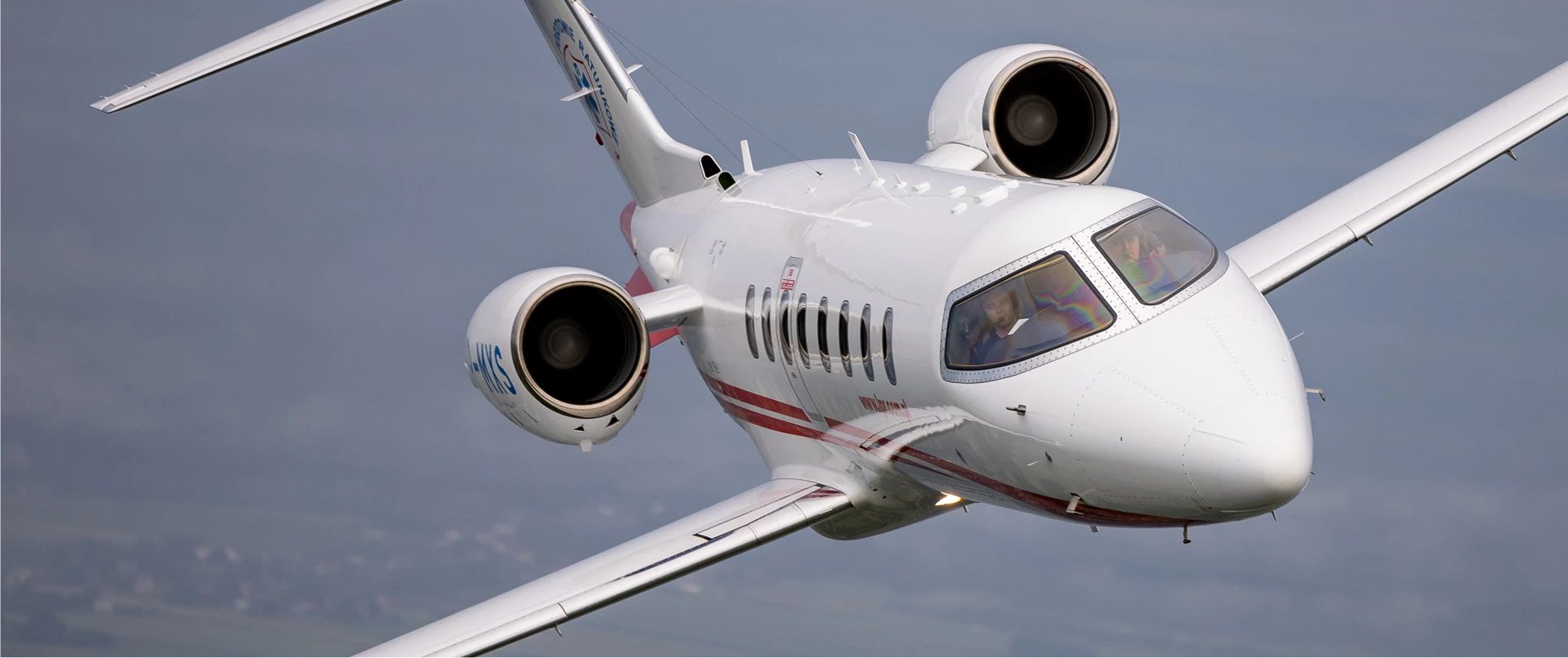
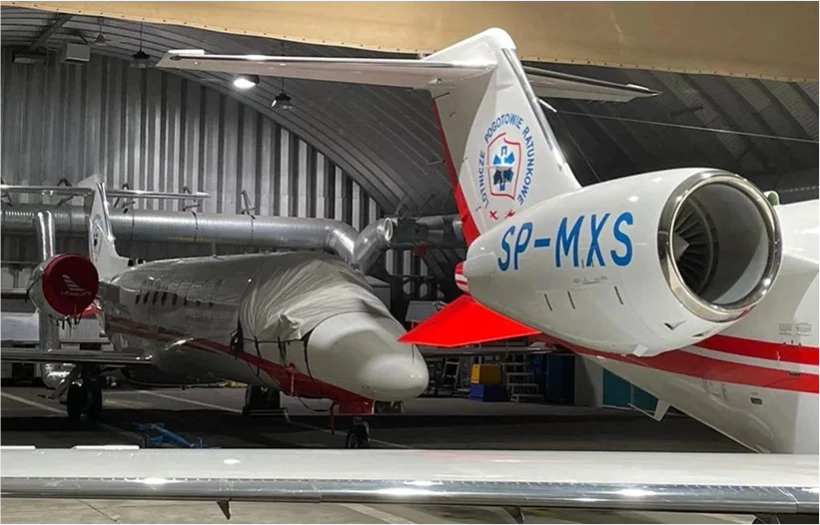
On December 13, 2019, a contract was signed for the purchase of two new jet aircraft for the LPR Air Transport Team. The purchase has been carried out in accordance with a resolution on the establishment of a program to prevent the negative effects of the pilot shortage in the Helicopter Medical Rescue Service and to modernize the LPR Air Transport Team. The contract is for Learjet 75 Liberty aircraft. The new aircraft can transport two patients at the same time.
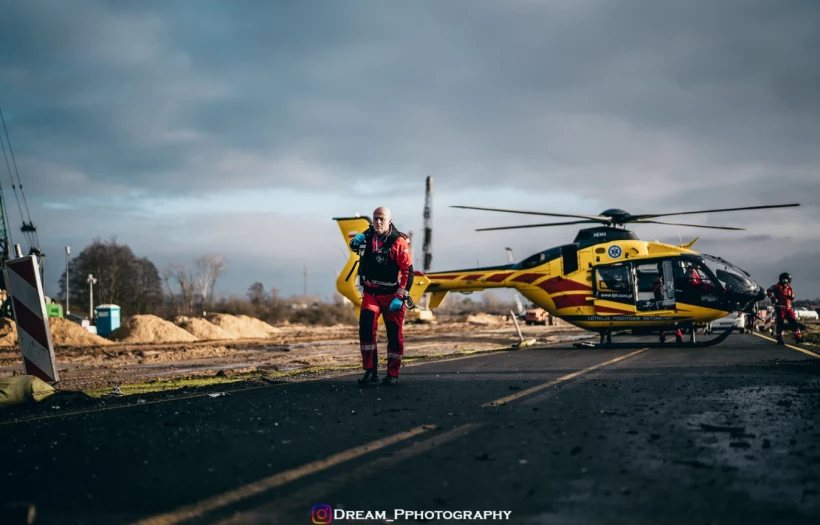
With the delivery of new EC 135 helicopters to the LPR, operational capabilities have increased. Preparations were gradually made to extend night shifts at subsequent bases. Currently, the LPR has six 24-hour bases and 15 operating on a fixed schedule from 7 a.m. to 8 p.m.
Lotnicze Pogotowie Ratunkowe implemented the project "Purchase and implementation of NVG technology and modernization of EC 135 helicopters from version P2+ to version P3." This project was co-financed by the European Union from the European Regional Development Fund under the Infrastructure and Environment Program 2014-2020 – measure 9.1 Medical rescue infrastructure. The main objective of the project is to increase the number of missions performed by LPR at night directly to the scene of an incident.
2022
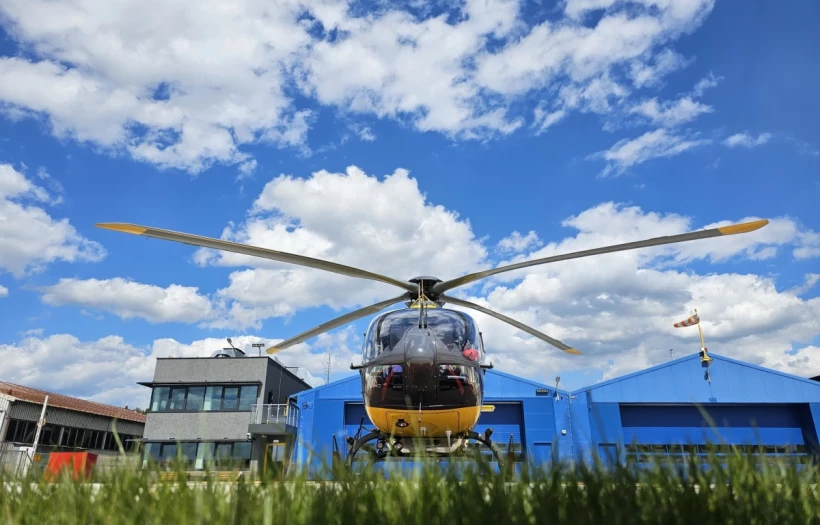
Due to the expansion of the airport in Balice, the Krakow HEMS base was moved to Kokotów. A 750-meter facility with a hangar and a helicopter platform was built there for PLN 9.5 million.
2024
The project "Expansion and reconstruction of the Helicopter Emergency Medical Service (HEMS) base and LPR Technical Service Station (SOT), including the construction of a final approach and take-off area for helicopters – FATO" was completed in Warsaw. The investment included the construction of:
- a HEMS base, which includes a two-story operational and office building with hotel facilities for crew members and a modern hangar with a mobile landing platform for helicopters,
- a spacious two-bay Technical Service Station hangar with a technical warehouse
- and an adjacent three-story office and storage building,
- a paint shop where work related to the reapplication of helicopter paint coatings will be possible,
- FATO (helicopter take-off and landing area), apron, roads, sidewalks, parking lots.
The project was co-financed by the European Union – Operational Program Infrastructure and Environment 2014-2020, project entitled: "Support for Air Ambulance bases – stage 3." The total cost of the investment is over PLN 60 million.
Since June 1, 2024, the director of the Air Ambulance Service has been Dr. Marcin Podgórski, MD.
Photo gallery
Photo gallery




The tasks of Lotnicze Pogotowie Ratunkowe include:
Responding to accidents and medical emergencies and assisting victims, transporting patients requiring medical care between healthcare facilities, providing air medical transport outside the country, and repatriating Polish citizens who suffered accidents or medical emergencies abroad.
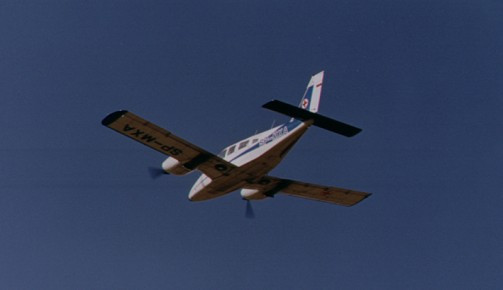
A modern EC 135/H135 helicopter can reach an accident site 60 kilometers away in a matter of minutes, depending on wind conditions. LPR also includes an Air Transport Team (EMS – Emergency Medical Service) located at Warsaw Chopin Airport. The aircraft crews operate one Piaggio P.180 Avanti and two Bombardier Learjet 75 Liberty aircraft. The HEMS team is able to begin treatment immediately upon arrival at the scene and quickly transport patients to ER departments within the so-called golden hour.